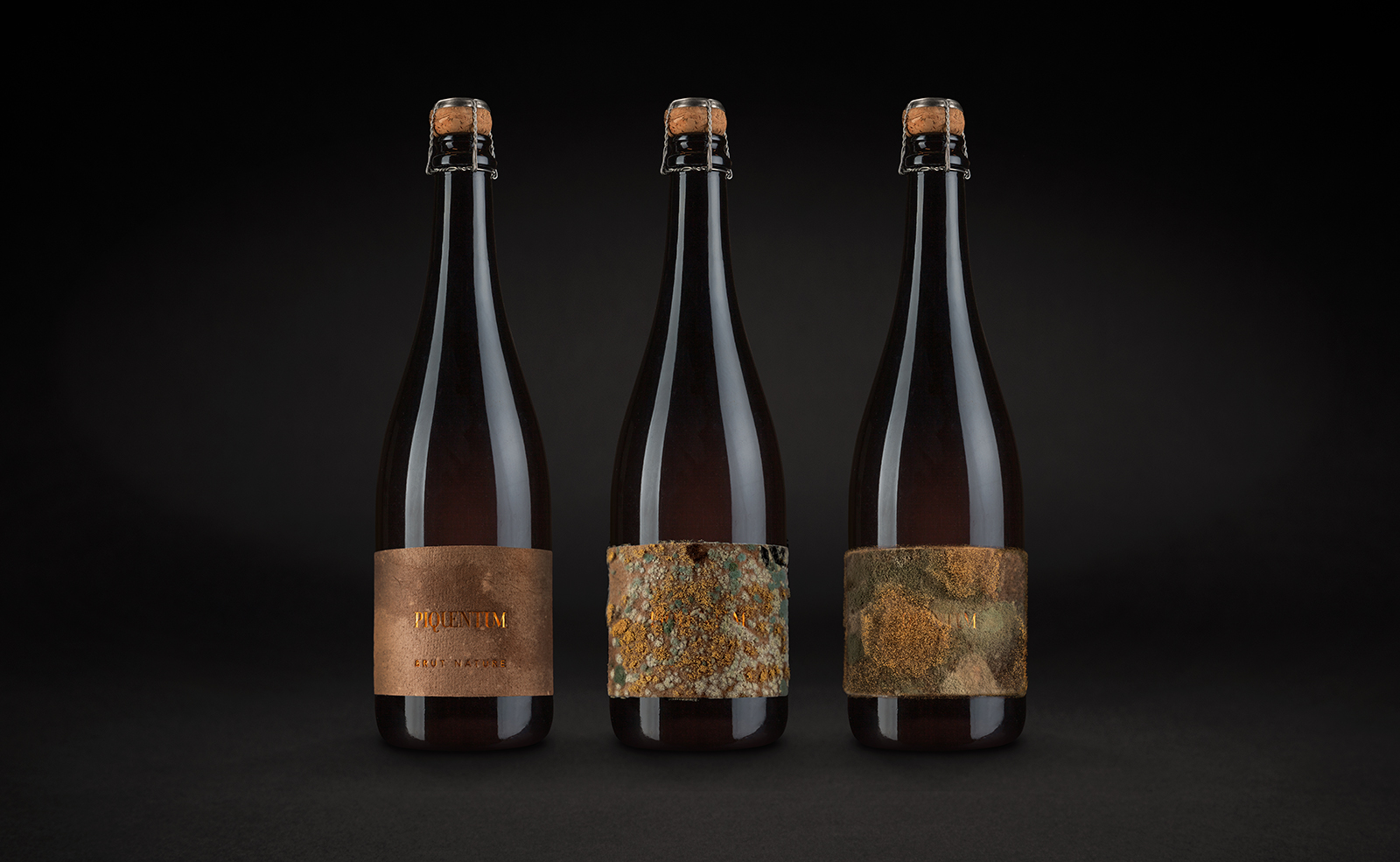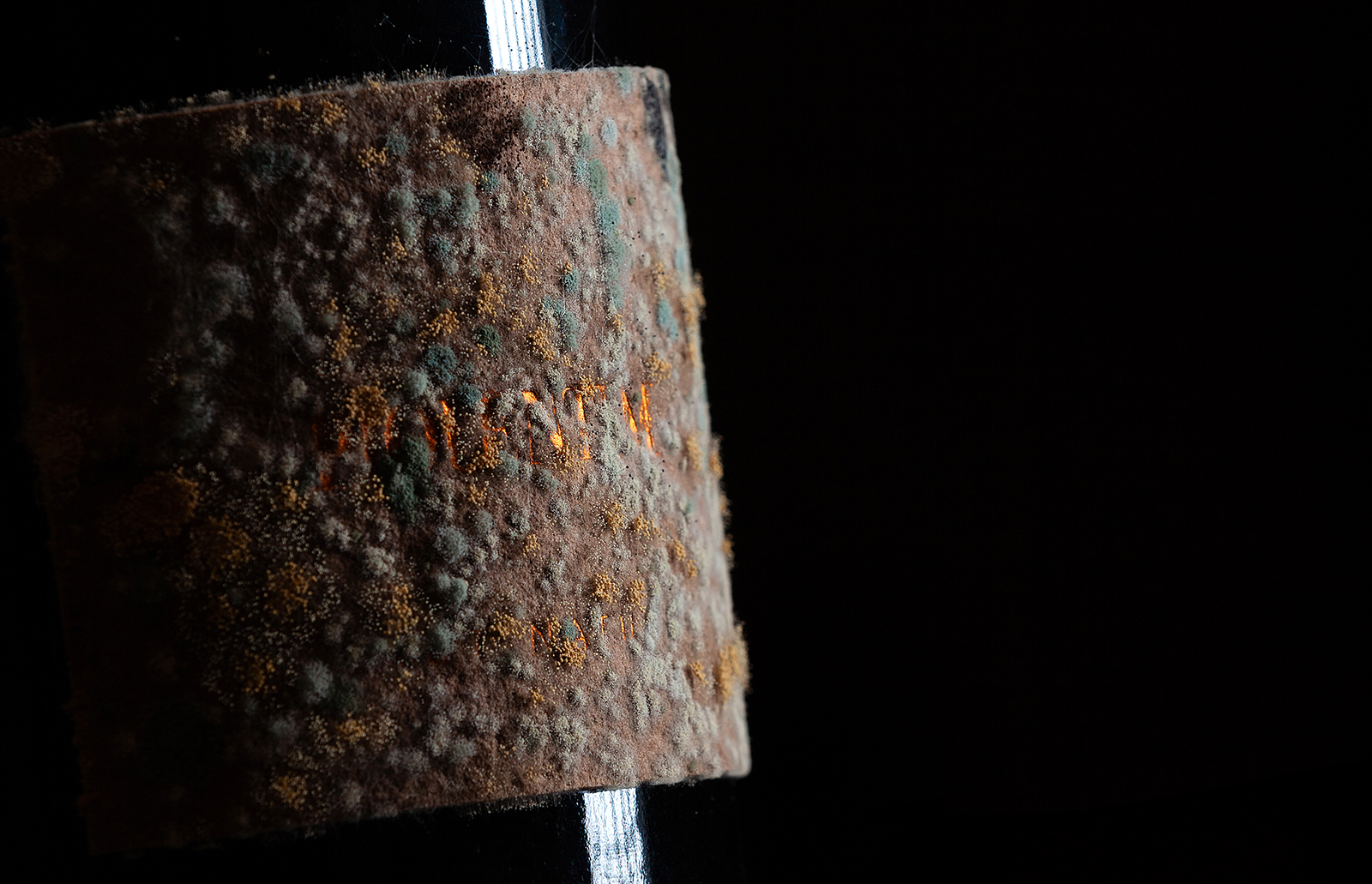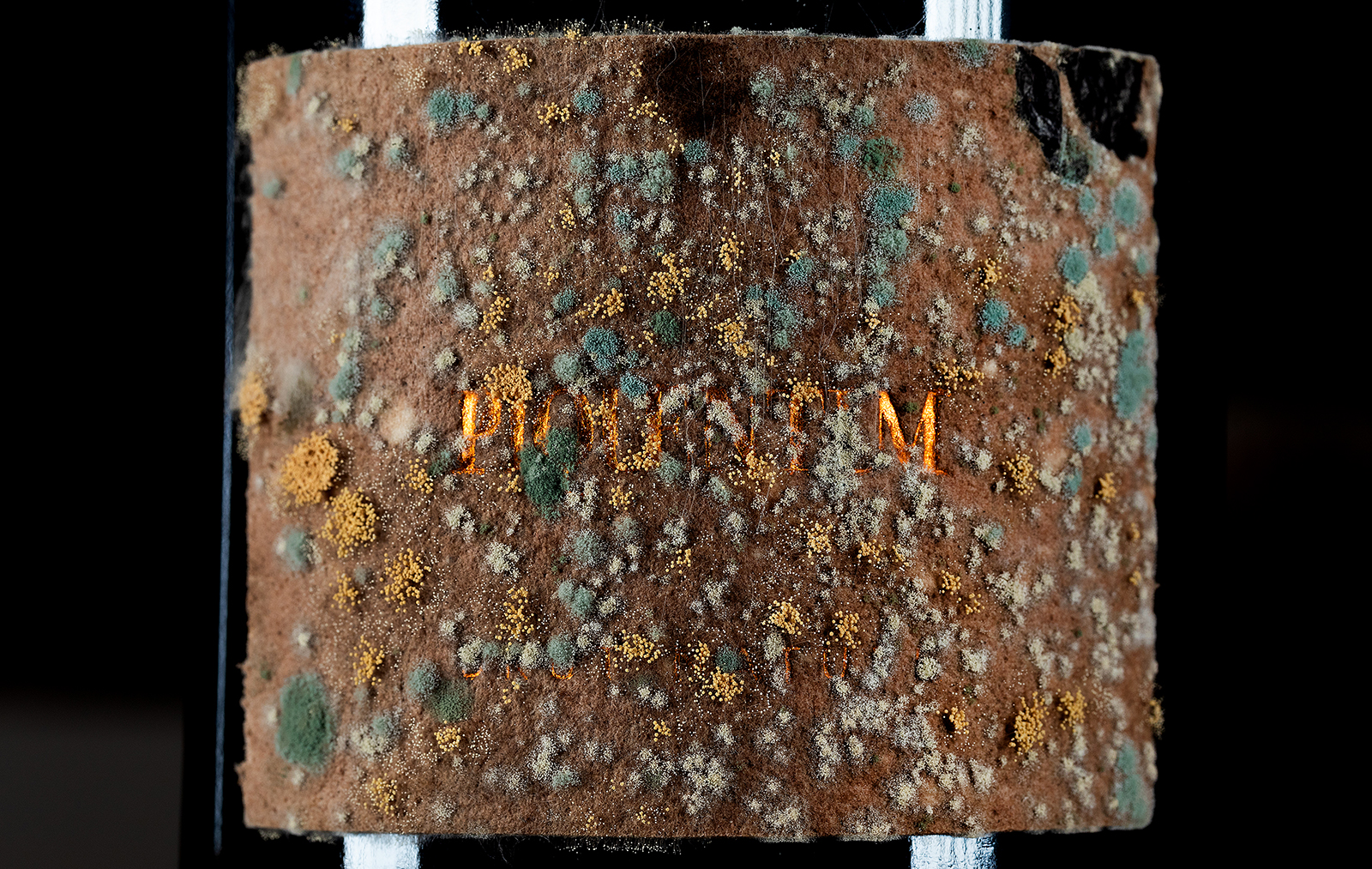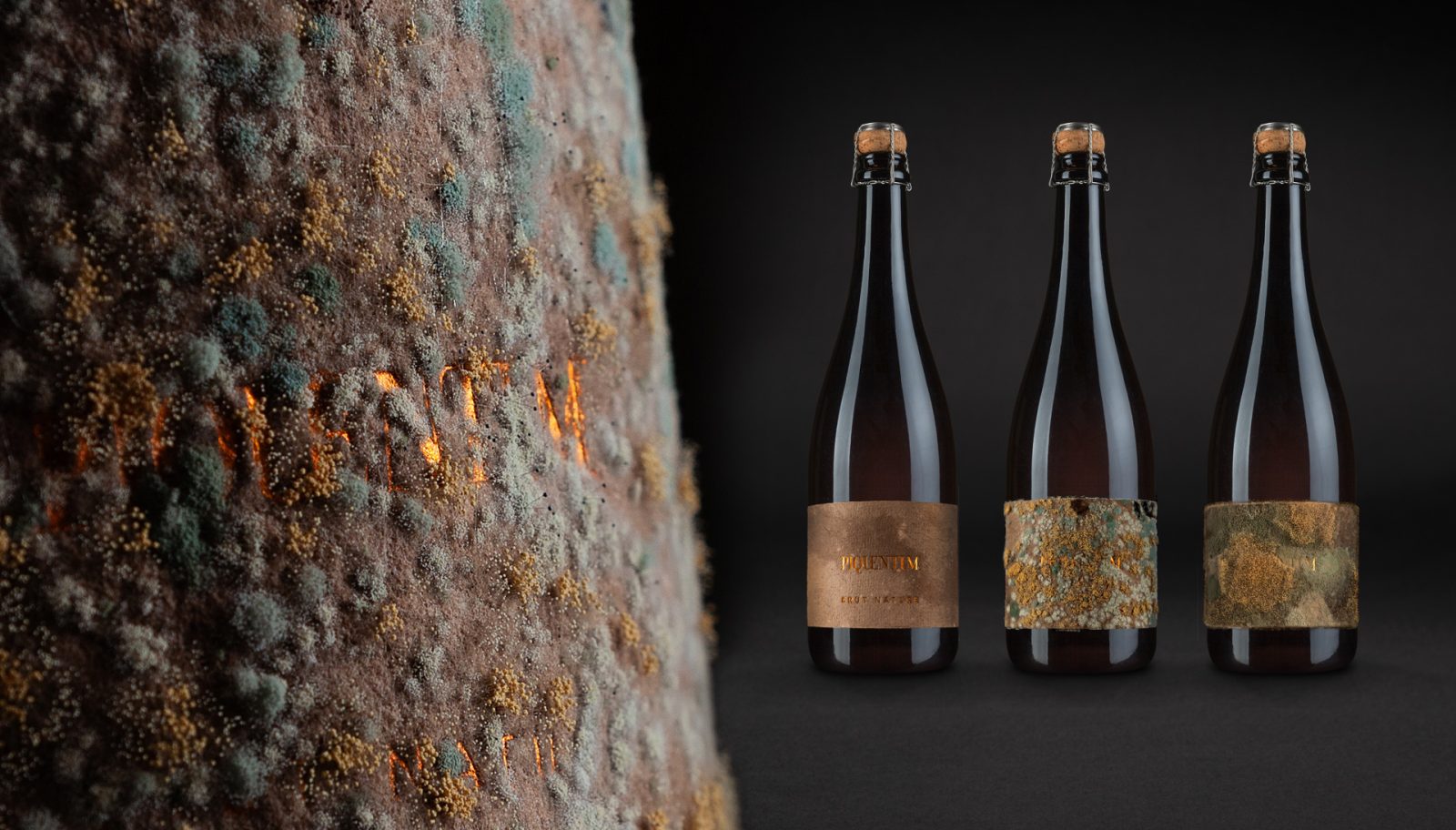
In the sparkling wine industry, over 97% of producers compromise the product with artificial ingredients. On the other hand, there is Piquentum, a brand that fully commits to the principles of 100% organic production. Unlike others, who add industrial sugar and artificial yeasts, Piquentum produces them naturally and in-house, from grapes sourced from its organic vineyard. For this unique sparkling wine, the brief was to create a label that would actually be: The Manifest of Zero Compromise.
The creative idea was to develop a concept that would upgrade a label into a “Living Manifest of Zero Compromise,” while utilizing the product’s natural waste as the ultimate proof. Knowing that, given its limited quantities, the wine will be distributed only to restaurants where it can be presented by sommeliers and the story of the wine will be adequately explained, it was possible to consider a bolder label option.
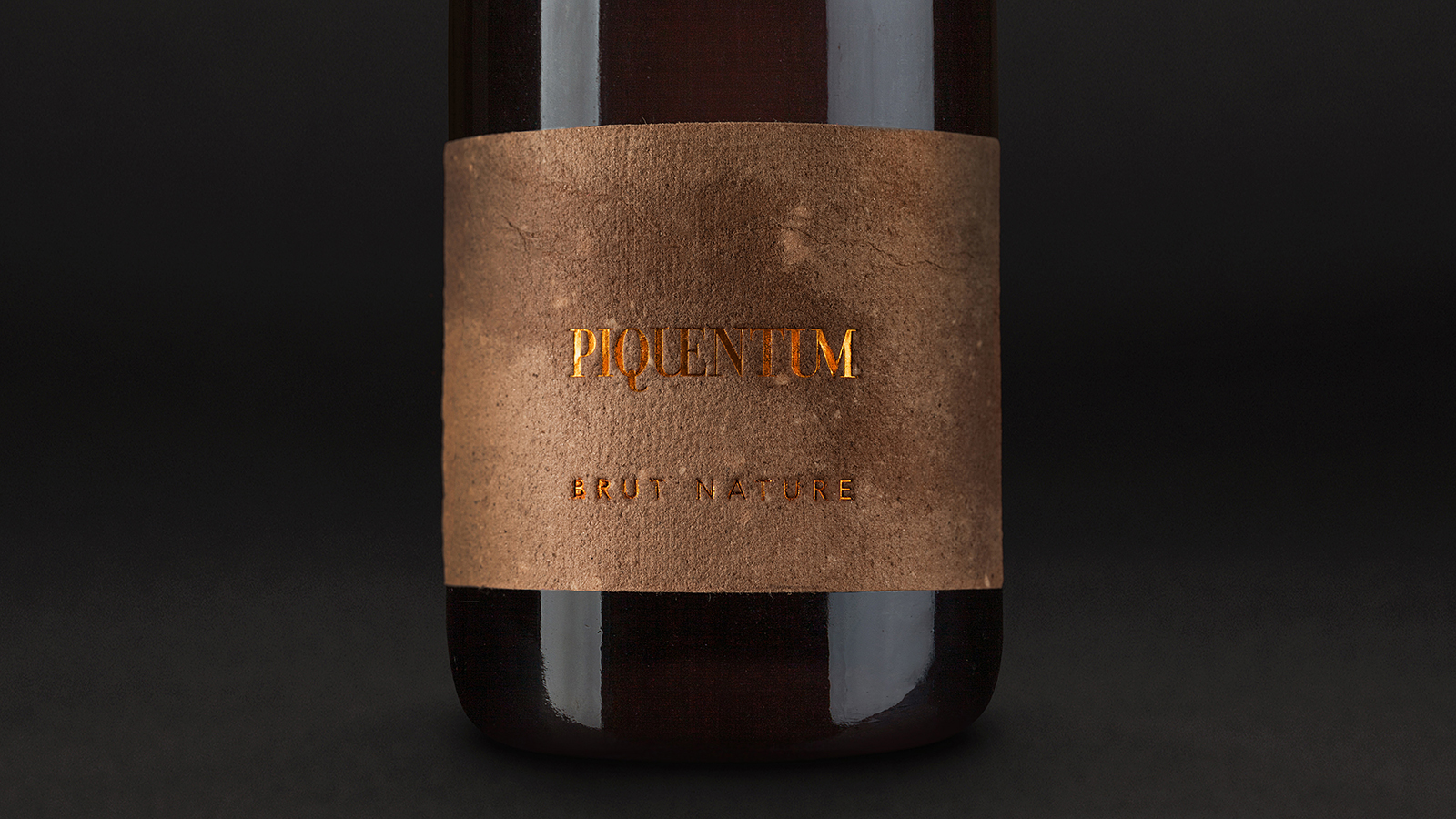
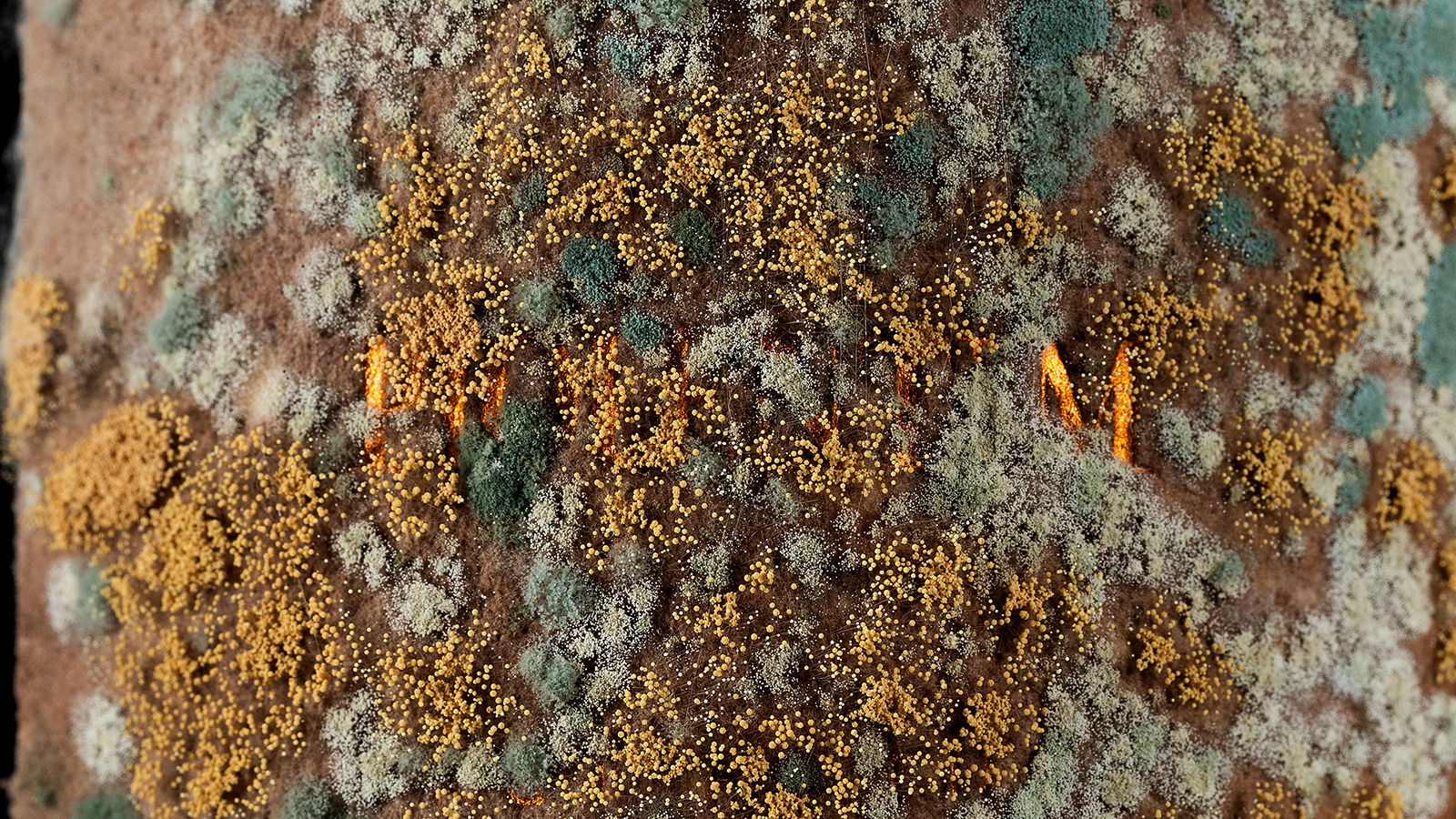
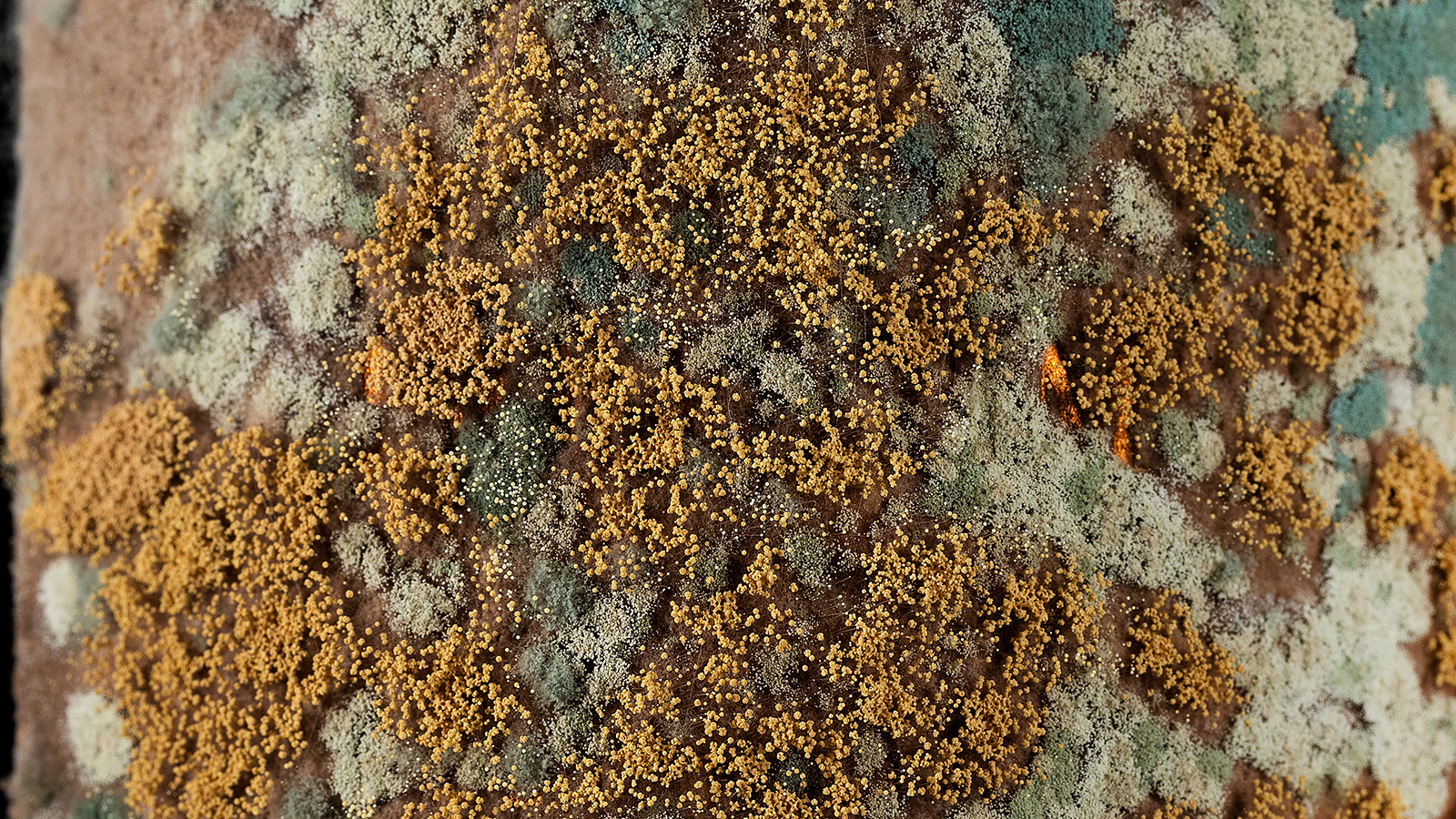
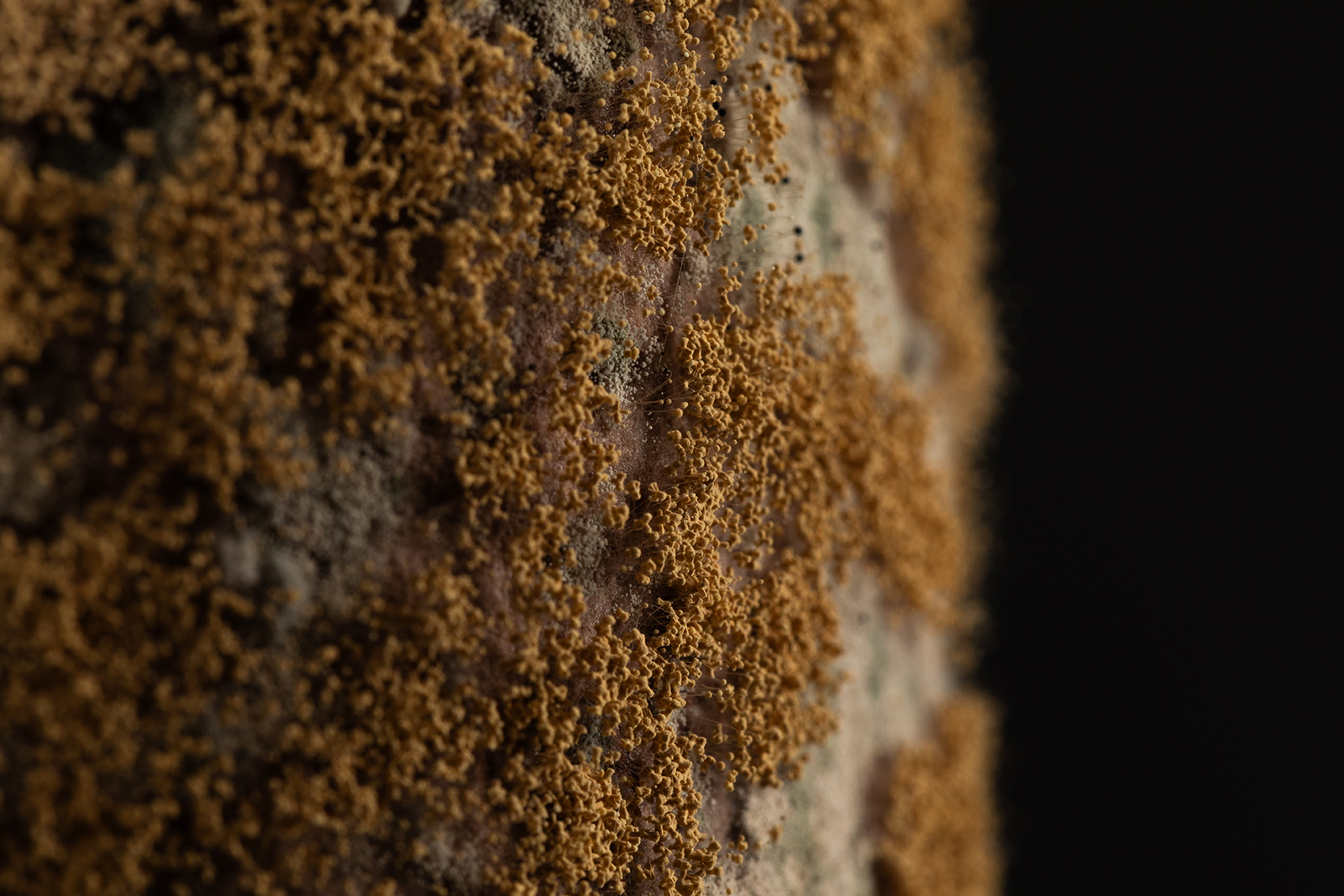
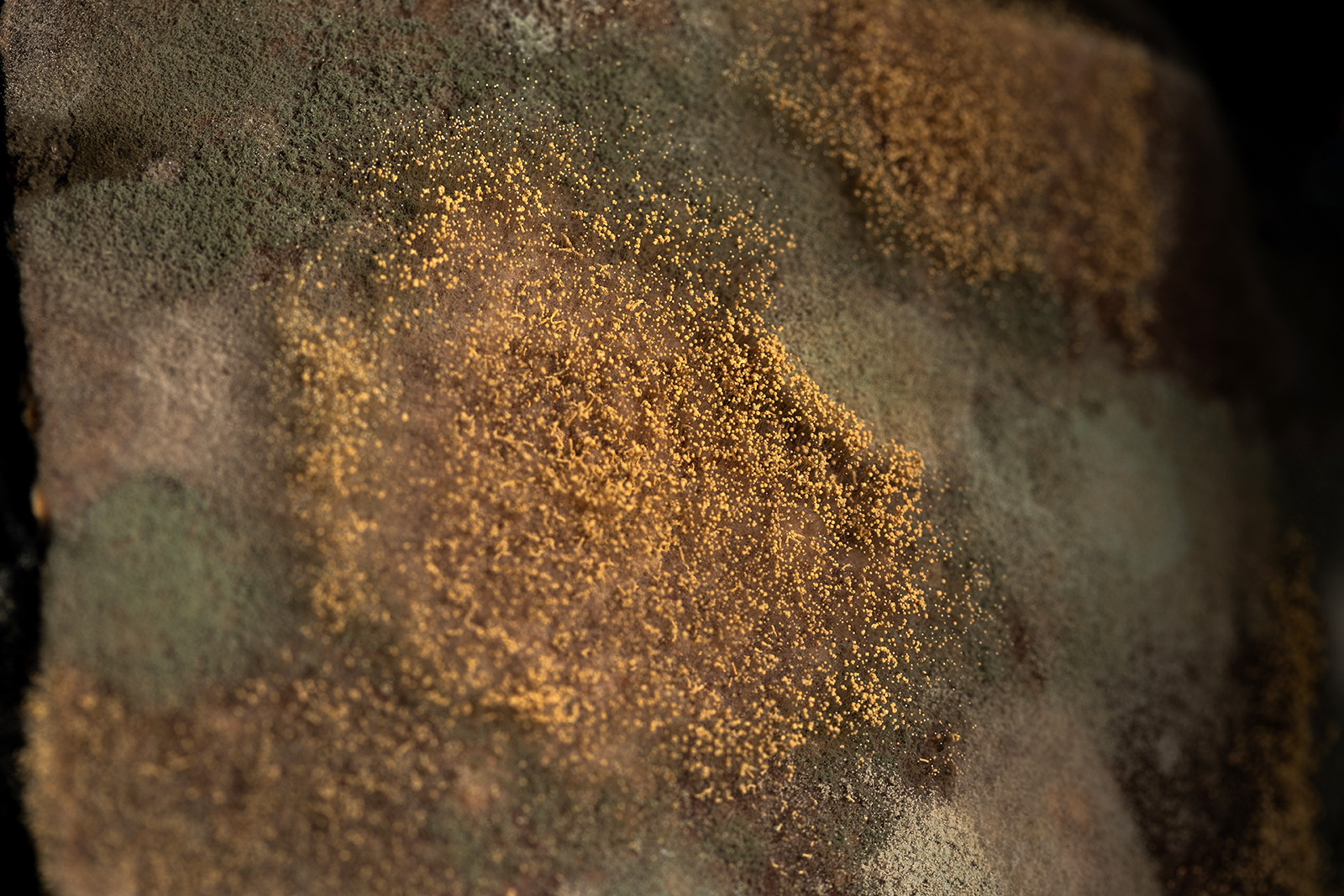
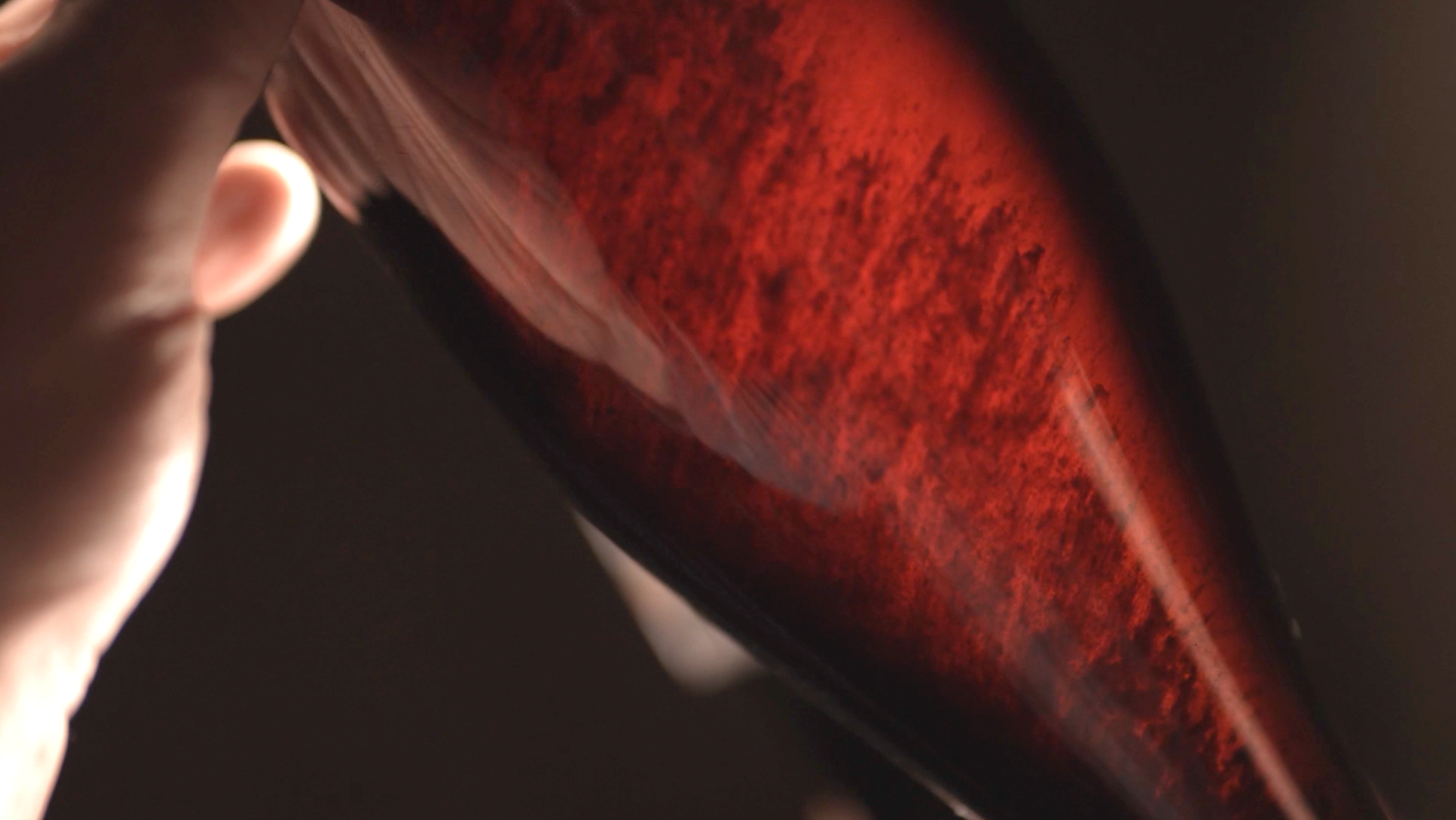
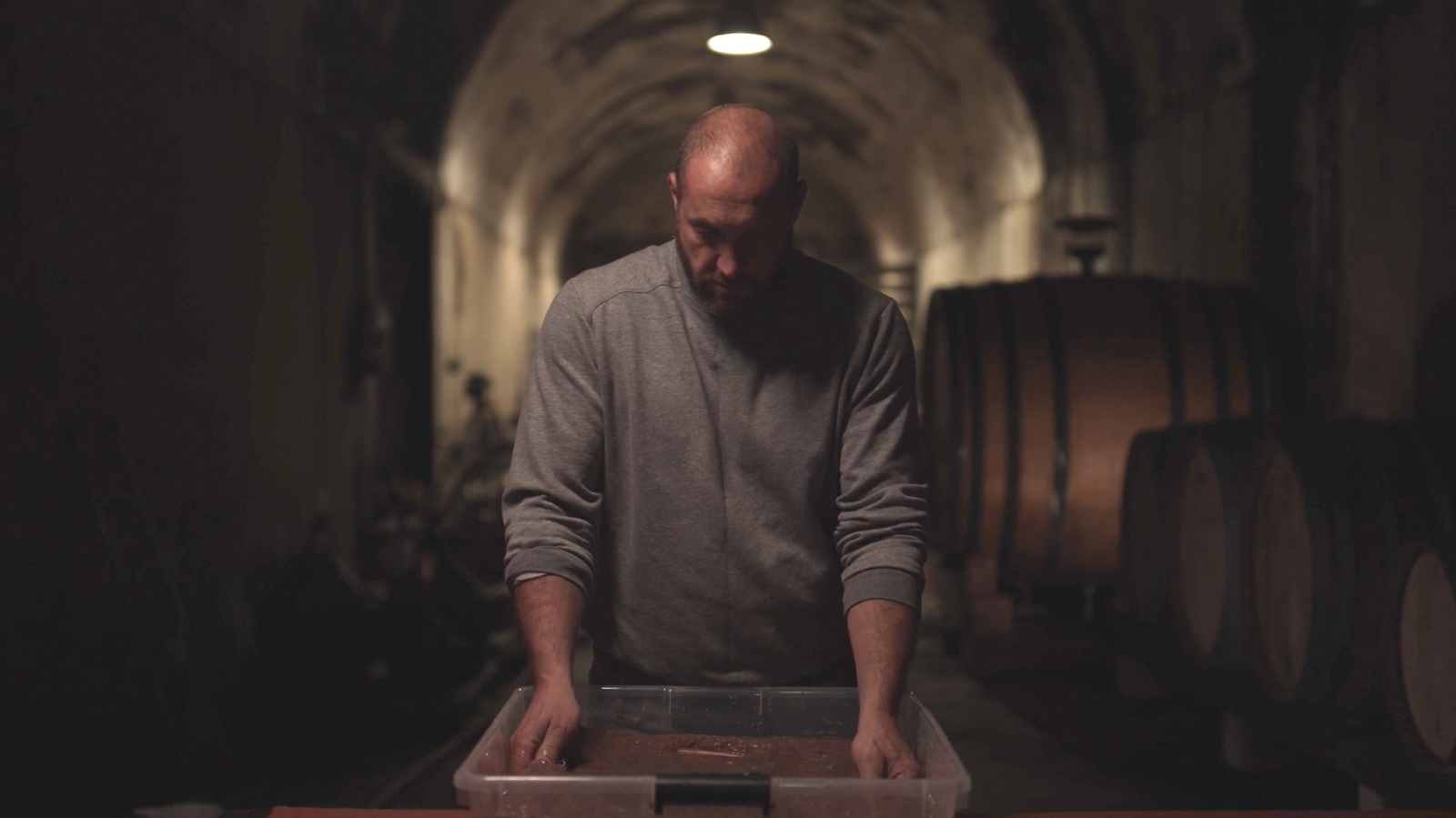
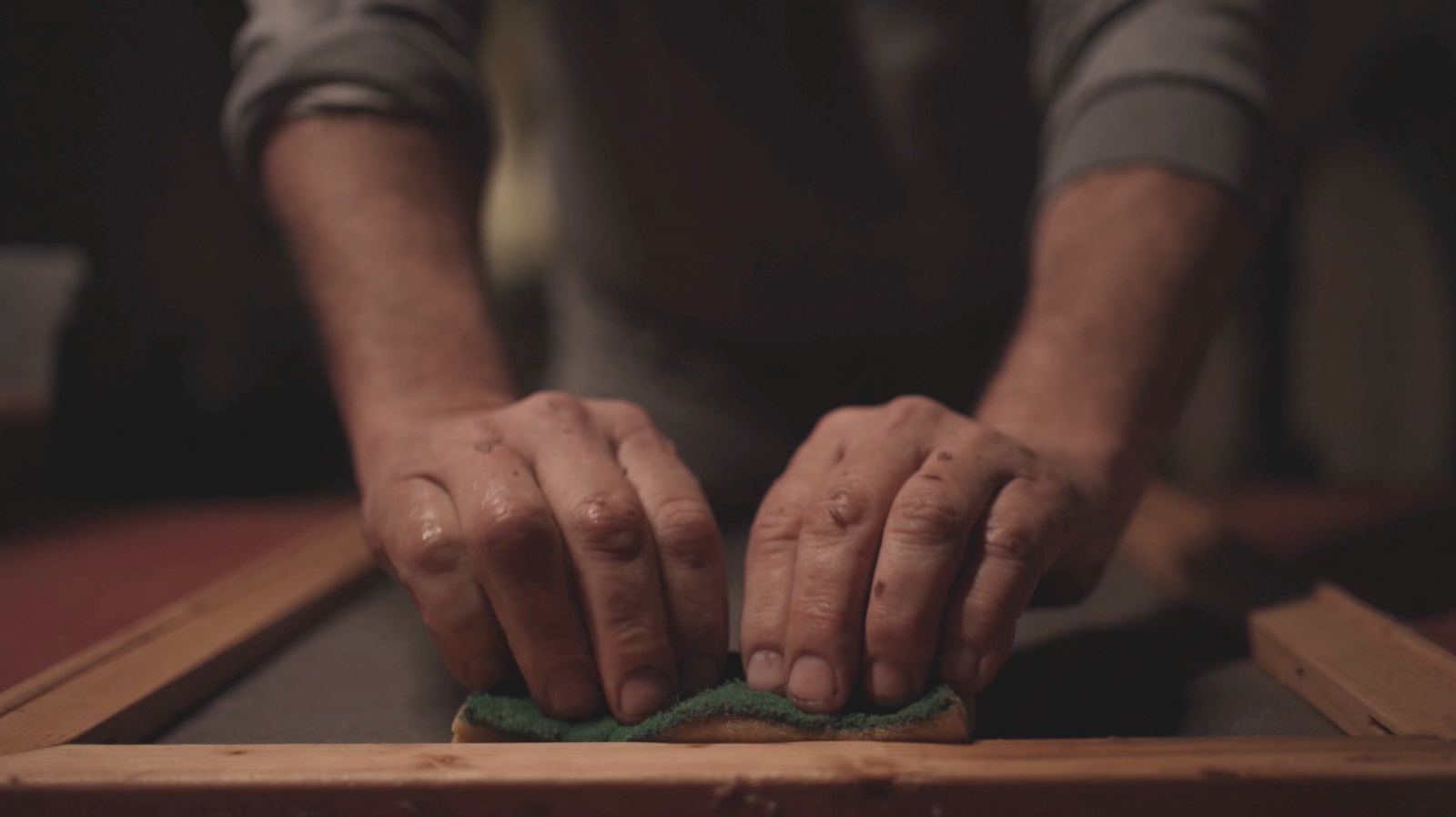
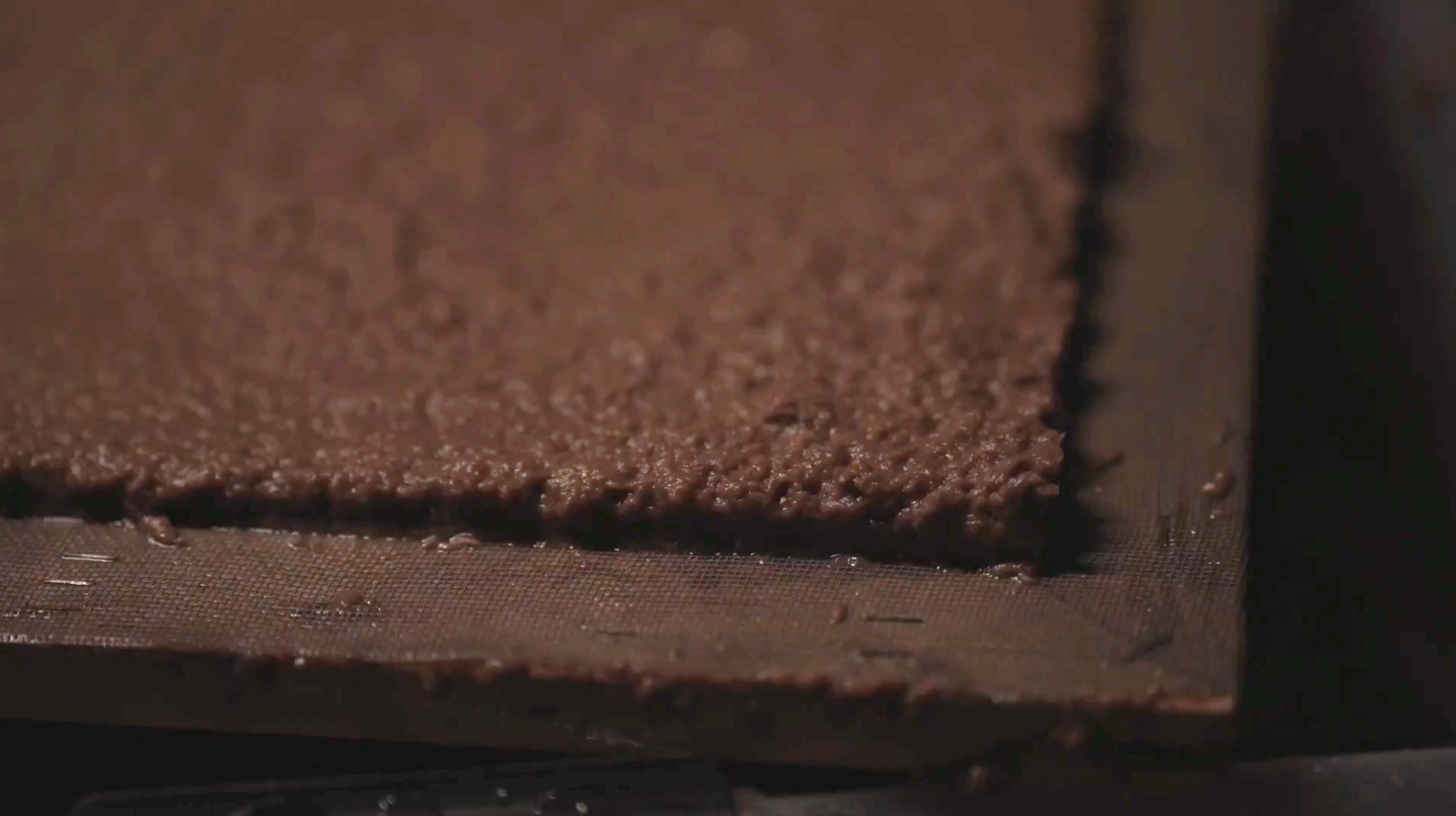
During the crucial secondary fermentation, when the yeasts convert sugar into bubbles, sediment is always created, and it is always removed from the bottle through the technique of dégorgement (disgorging). But while other producers discard it, Piquentum’s sediment was recognized for its value and embraced as a key material. It was then collected and, by mixing it with 10% of paper pulp sourced from the winemaker’s memos, cardboard packaging, etc., it was transformed into an organic Piquentum Brut Nature label, resulting in: The first wine label ever created exclusively by the WINE itself. Depending on the environment, the label continues to develop, acting as a living entity, forming noble mold and similar organisms. In this way, this ‘living label’ becomes valuable proof of authenticity.
In 2025, 700 bottles were produced as an initial market test batch. Production for 2026 is planned at 2,000 bottles. Production for 2027 is planned at 3,000 bottles. For both years (2026 and 2027), all quantities are pre-reserved. The number of exclusive restaurants where the wine will be distributed has quadrupled, to 20, with one-third of that quantity going to foreign markets (USA and UK).